Do not rule out your worms, forward them!
Published on
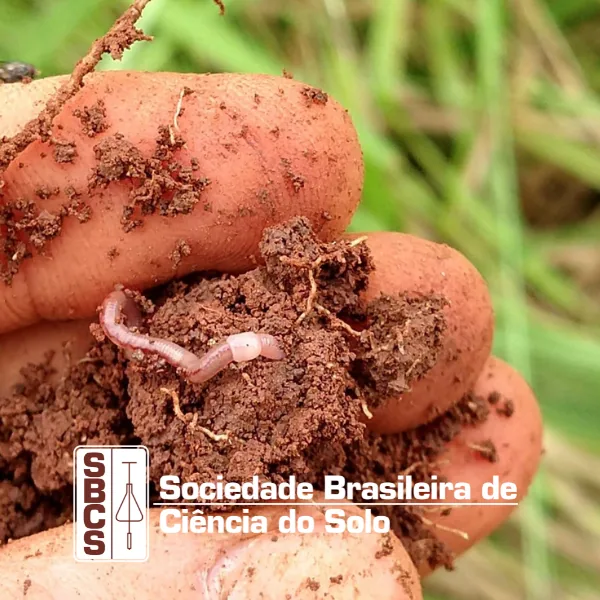
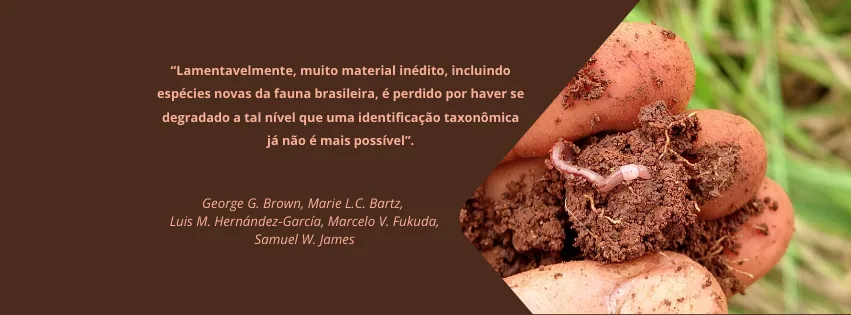
In a text originally published on the Blog of the Brazilian Society of Zoology in May 2024, and recently published in the journal Biodiversity, the authors listed below make an appeal for researchers who work with or collect individuals from Edáfica fauna properly preserve and refer the material collected to institutions that are able to properly store this material. The article contains lists of people and institutions able to receive this material preserving it for future research and avoiding the loss of this genetic heritage.
Approximately a quarter of the world fauna lives on the ground and Brazil is a diverse mega country, with high richness of edaphic invertebrate species. Therefore, a lot of research material collected on Brazilian soils may contain important information that should not be wasted.
After performing the hard work of field, collecting samples of soil and edaphic fauna, it is necessary to perform the equally hard work to clean, sort, catalog, and finally conserve and maintain samples for later studies. Unfortunately, over time, we have seen many unfortunate situations where there was no dedication necessary for conservation and maintenance, which are routine in museums and zoos collections. This has occurred especially in institutions with infrastructure or limited support to conserve fauna samples. Consequently, many samples collected for undergraduate or graduate disciplines, scientific initiation, or even masters dissertations and doctoral theses are discarded and/or lost, as there is no infrastructure or place available to accommodate the material, and maintain it as part of a collection with proper curatorial care.
Therefore, if it is collecting edaphic fauna or epis epis using pitfall or provid types or Winkler, Berlese, or Tulgren, or even using the TSBF (Tropical Soil Biology and Fertility), contact specialists so they can receive their examples as donation. Even if you find earthworms, particularly minhocuçus, in sporadic collections on your property or elsewhere, keep the animals (following instructions at the end of this text), and warn the experts! Thus, the loss of this genetic heritage can be avoided, ensuring its effective conservation!
Although the text focuses on the worms, the authors point out that this procedure can also be applied to many other edaphic or epis-endered taxons often collected using the above methods, particularly arthropods and mollusks. However, for some of these groups, special care, different from those detailed here for the worms. Therefore, if they have specimens of other taxa they wish to refer, we suggest that they contact regional or state zoos zoos museums, so that they can advise the processing, preparation, sending and receiving of their materials.
Check out, in full text available in this link and in Portuguese in the revised version for SBCS in the PDF file below. There will be a list of zoological collections that can be consulted on copies of worms collected in Brazil to identify the one that is closest, and that can receive the material and a brief introduction to the material of the authors of the authors: the worms. The article published in English, contains more information on foreign collections.
Check out the full text of the text in Portuguese!
Não descartem suas amostras Blog SBCSBaixarThe attached text is by:
George G. Brown: Embrapa Forests, Colombo, PR, Brazil. E-mail: george.brown@embrapa.br
Marie L.C. Bartz: Federal University of Santa Catarina, Curitibanos, Santa Catarina, Brazil.
Luis M. Hernández-García: State University of Maranhão, São Luís, MA, Brazil.
Marcelo V. Fukuda: Zoology Museum, University of São Paulo, São Paulo, SP, Brazil.
Samuel W. James: Maharishi International University, Iowa City, Ia, USA.
Files to download
See also
Physical Attributes + Chemical Attributes = Physicochemical Attributes?
A brief reflection on the use and application of these terms in Soil Science Luiz Francisco da Silva Souza Filho1, Maria Eugenia Ortiz Escobar2 It has become increasingly common in scientific publications – including…
Read more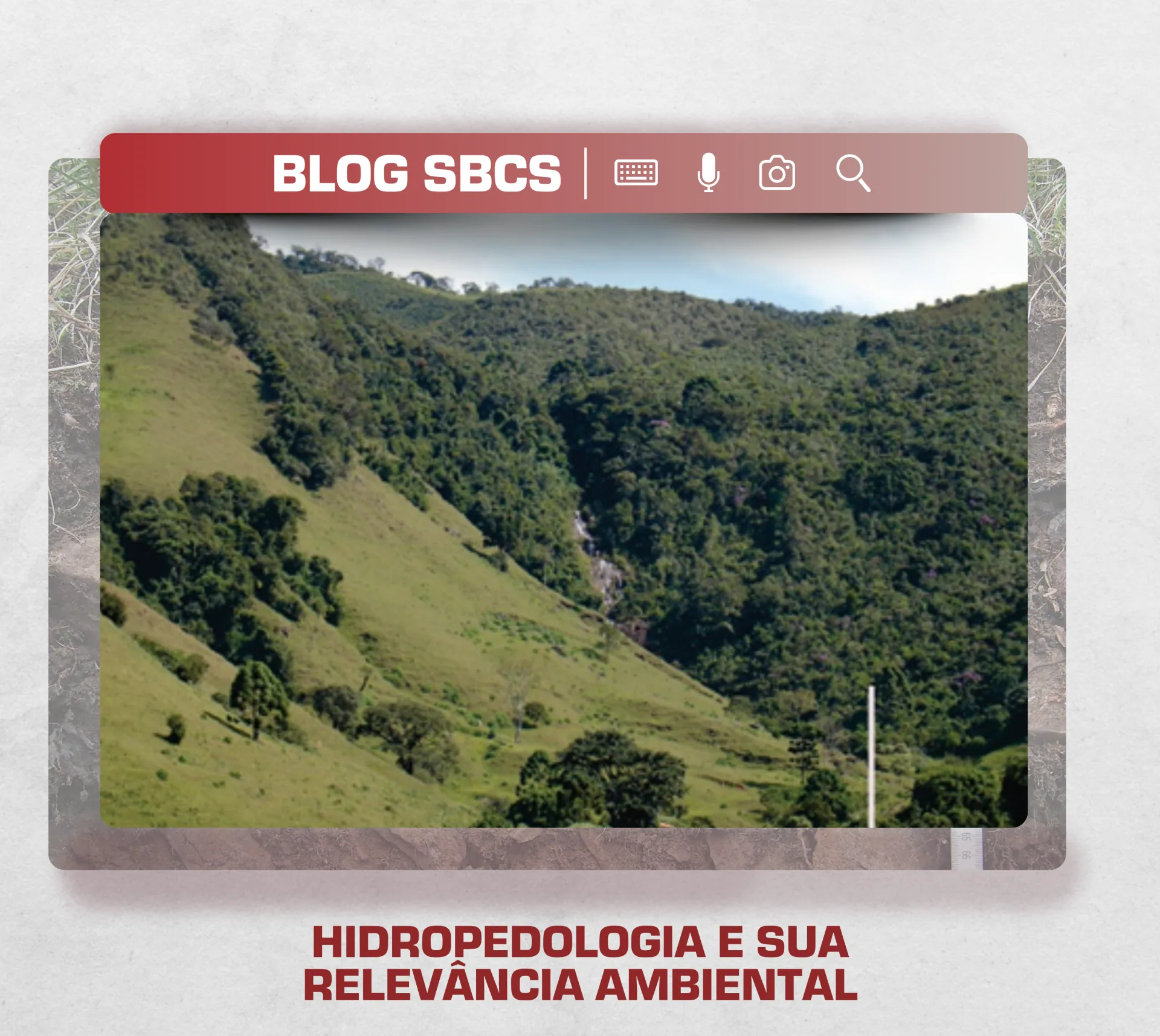
HYDROPEDOLOGY AND ITS ENVIRONMENTAL RELEVANCE
Carlos Rogério de Mello¹, Luís Carlos Timm² and Nilton Curi³ Introduction The water cycle is the most important phenomenon for life on Earth. Our planet holds approximately 1,380 Mkm³ of water, covering around 70% of…
Read more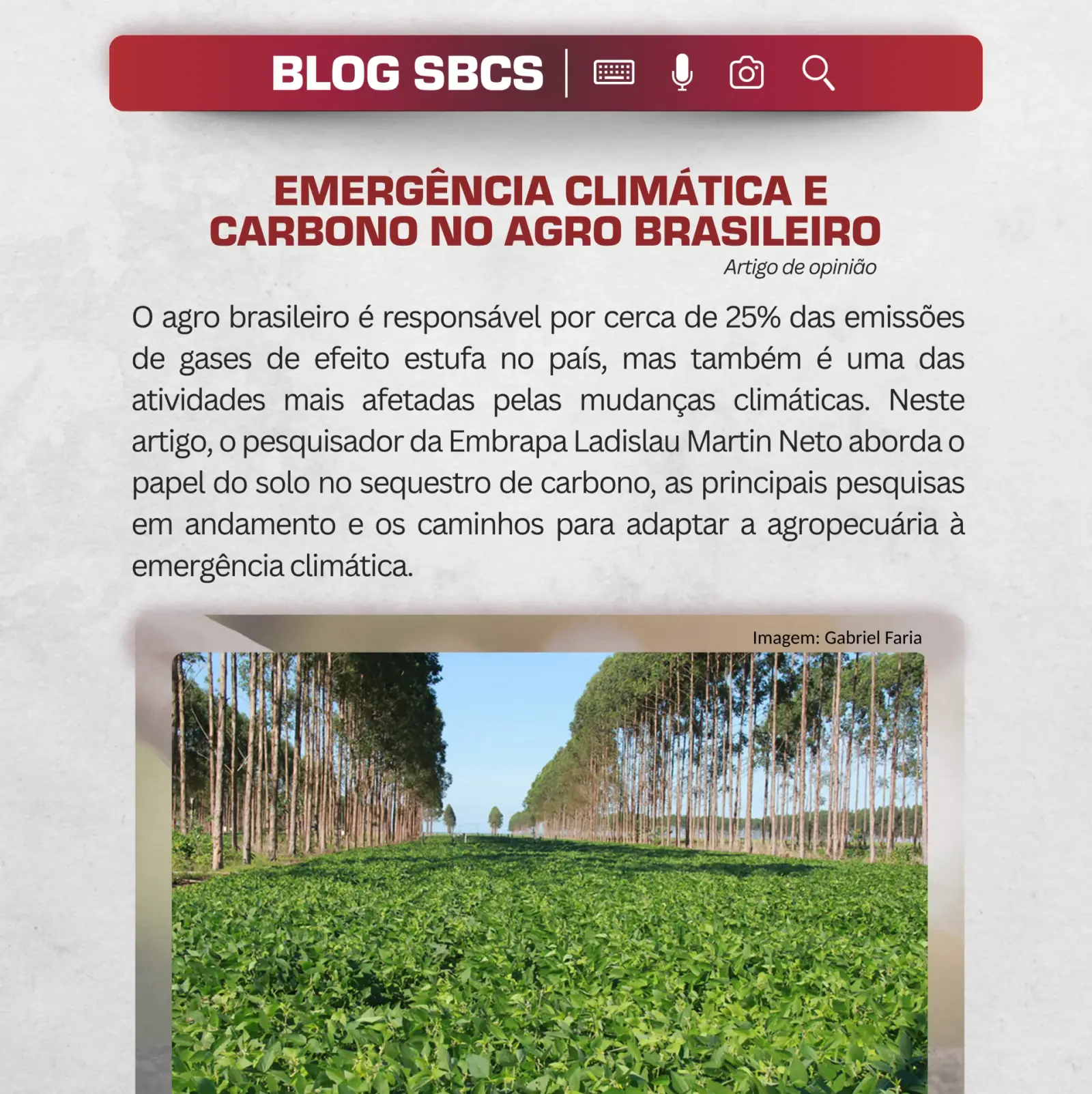
Climate emergency and carbon in Brazilian agriculture
Opinion Article Ladislau Martin Neto ¹ Introduction Agriculture, which is fundamental from a social, economic, and environmental perspective, is responsible for approximately 20% of anthropogenic greenhouse gas (GHG)…
Read more