Easter Island , rapamycin
Published on
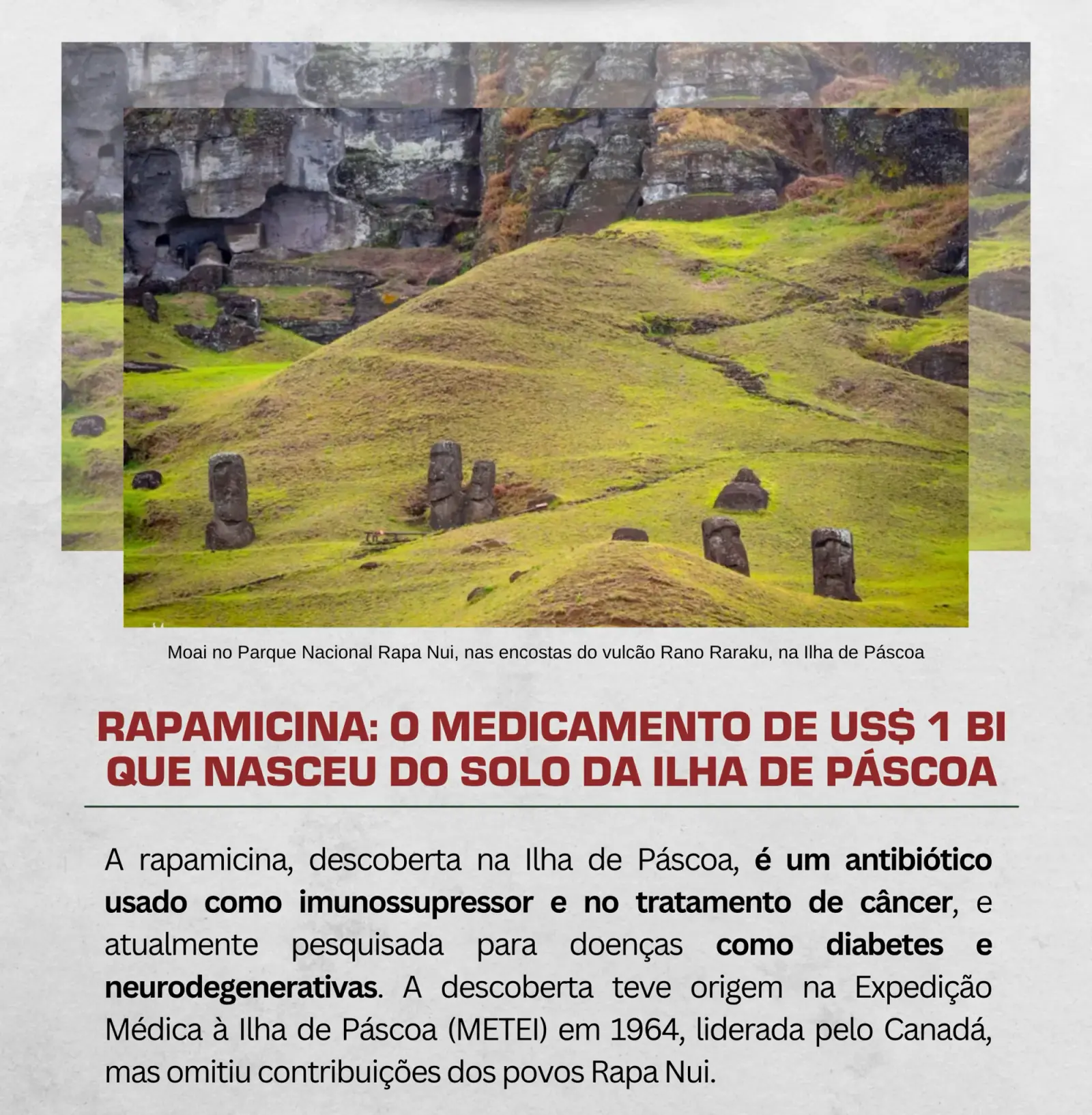
Discovered on Easter Island, rapamycin is an antibiotic with immunosuppressive properties, widely used in cancer treatment and currently studied for diseases such as diabetes and neurodegenerative disorders.
Its origin dates back to the Medical Expedition to Easter Island (METEI) in 1964, led by Canadian researchers. However, the contributions of the Rapa Nui people were largely omitted from the official history of this scientific breakthrough.
Despite the drug’s enormous financial success — generating billions of dollars annually —, the Rapa Nui community has never received compensation. The case raises critical questions about biopiracy, research ethics, and the rights of Indigenous peoples.
See also

A Technical Note prepared by researchers from the Federal University of Viçosa (UFV) and…
A Technical Note prepared by researchers from the Federal University of Viçosa (UFV) and the Federal University of Lavras (UFLA) was presented to the Brazilian Soil Science Society (SBCS) during a Net Zero event held at…
Read more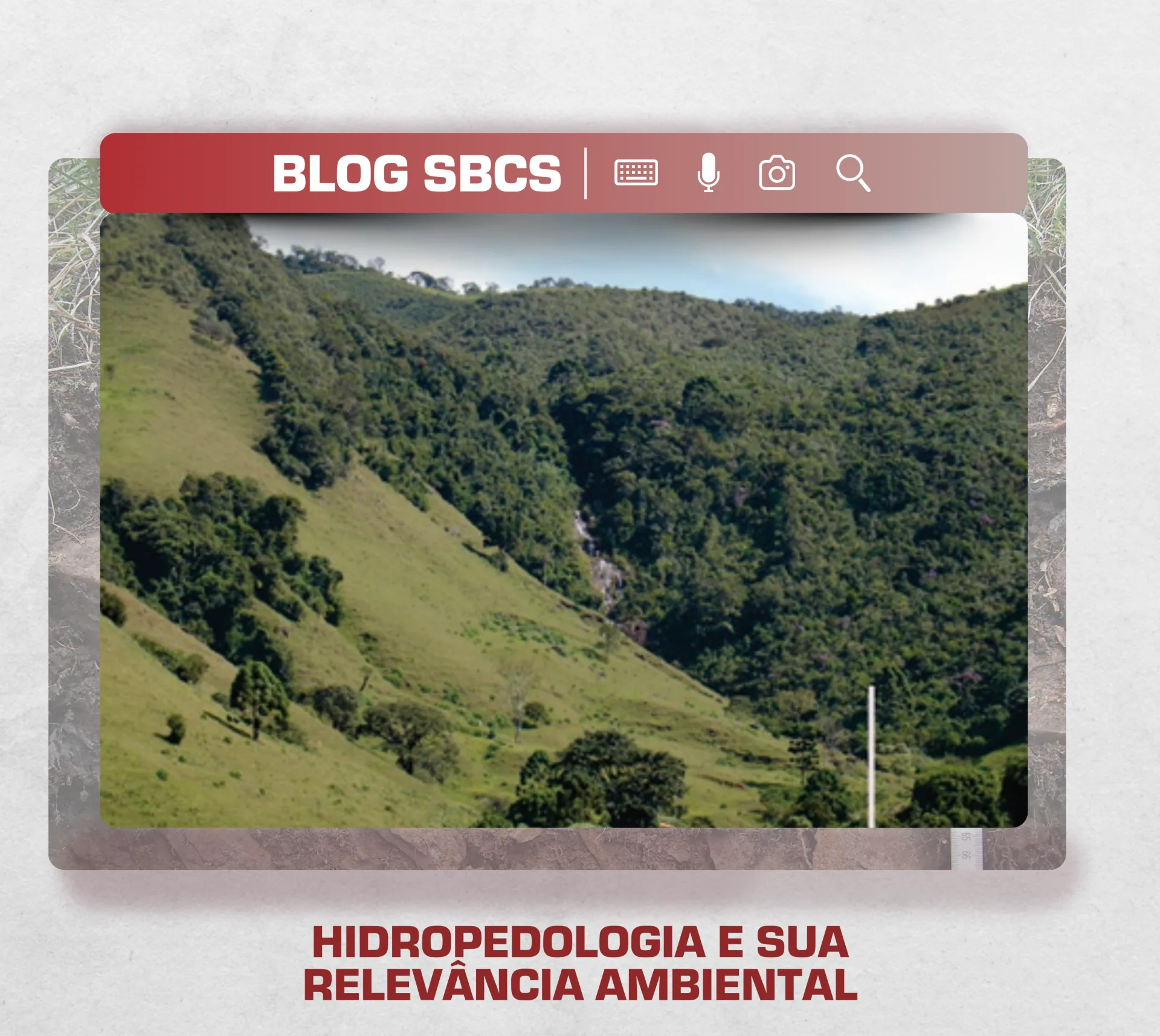
New post on the SBCS Blog!
The water cycle is the most important natural process sustaining life on Earth, and soil plays a central role in it. Hydropedology integrates the knowledge of Pedology and Hydrology to understand how soil…
Read more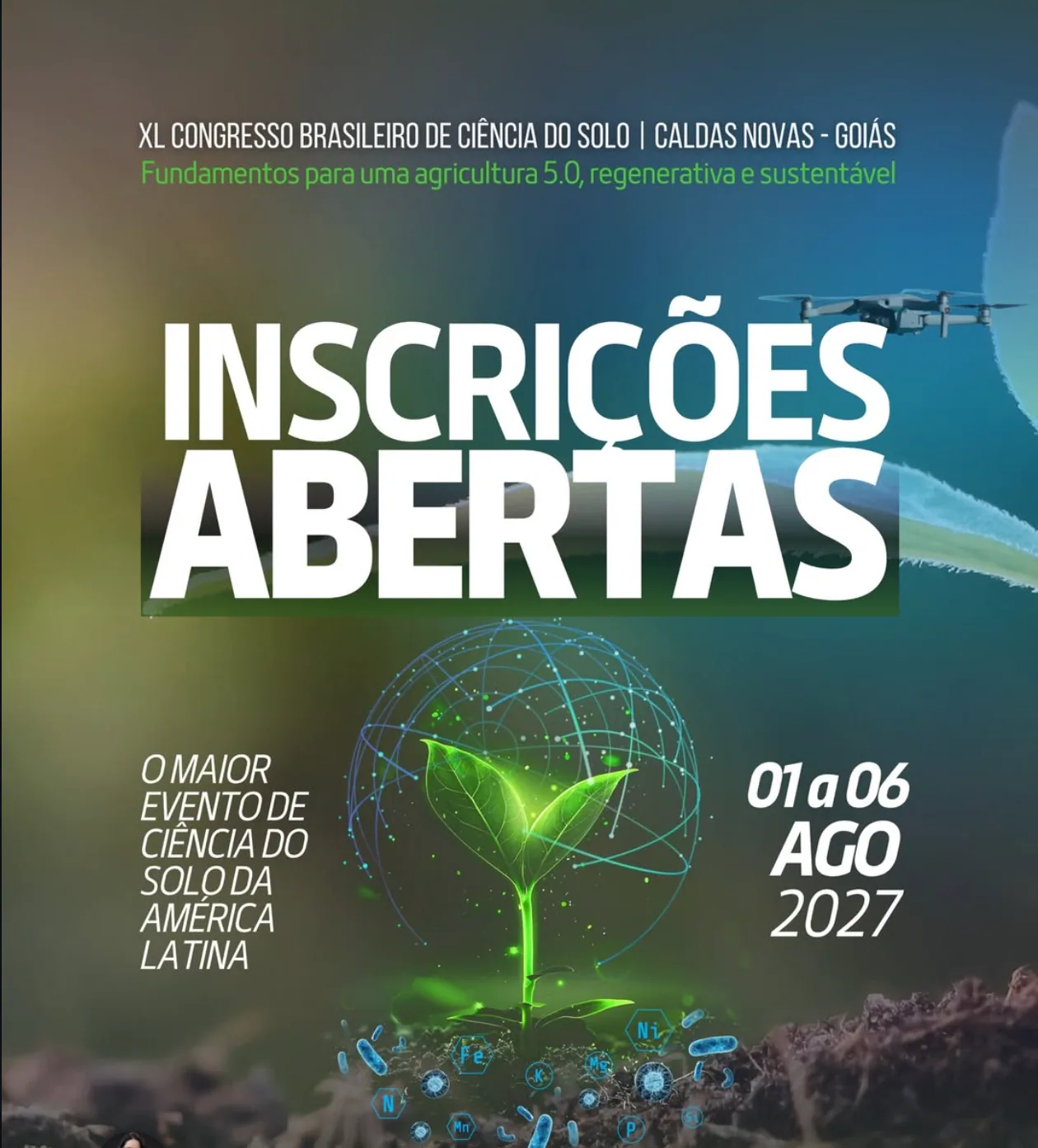
Registration for the XL Brazilian Congress of Soil Science is now open.
From August 1 to 6, 2027, Caldas Novas (GO), Brazil, will host the largest Soil Science event in Latin America, bringing together specialists, researchers, and professionals around the foundations for a 5.0,…
Read more